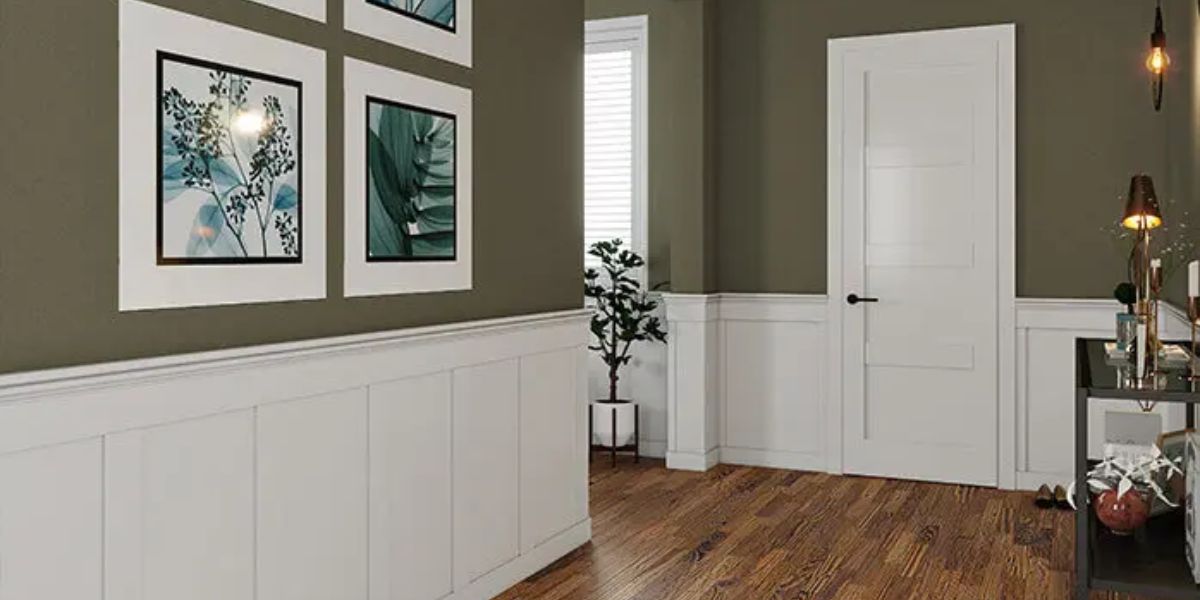
what is wainscoting
When homeowners begin exploring interior upgrades, one question often comes up: what is wainscoting and why does it remain so popular in American homes? At its core, wainscoting is a classic wall treatment that blends function with style, offering a refined way to enhance ordinary interiors. From historic houses to new builds, what is wainscoting continues to attract attention because it adds depth, texture, and protection without overwhelming a space.
Many people associate wainscoting with decorative wall paneling and timeless charm, but today’s designs go far beyond tradition. Whether used in dining rooms, hallways, or bathrooms, wainscoting wall panels create visual balance and help protect walls from everyday wear.
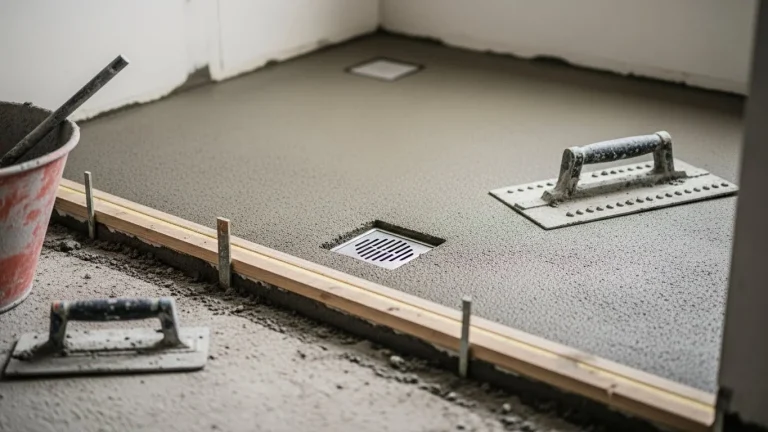
In moisture-heavy spaces like bathrooms, pairing wainscoting with proper waterproofing is essential, especially when planning upgrades such as a tiled shower or floor system. Homeowners considering full bathroom renovations often explore solutions like a properly sealed shower area, similar to the techniques outlined in this guide on how to waterproof a bathroom floor for long-term durability.
What Is Wainscoting and Why Is It Used
What is wainscoting is a question many homeowners ask when planning interior upgrades. Wainscoting is a form of decorative wall paneling that is typically applied to the lower section of interior walls to add style and protection. Traditionally, it covered about one-third of the wall height, although modern designs often vary. When people ask what does wainscoting mean, the simple answer is protection and beauty combined. The purpose of wainscoting was originally practical. It protected walls from moisture, scuffs, and daily wear in busy homes.
Today, homeowners choose wainscoting for both function and design. Why use wainscoting on walls comes down to durability and style. These wainscoting wall panels add texture, depth, and character to plain walls while helping how wainscoting protects walls from damage caused by furniture, pets, and foot traffic. In American homes, it has become a reliable way to elevate interiors without major remodeling.
The History and Evolution of Wainscoting

Understanding what is wainscoting also means looking at its past. Wainscoting dates back to 16th-century Europe, where solid wood panels insulated cold stone walls. Early traditional wainscoting commonly used oak and other solid hardwoods to help block moisture and retain warmth inside the home. As the style crossed into colonial America, it became a symbol of craftsmanship and refinement in well-built homes.
Over time, wainscoting evolved from necessity into style. As building materials improved, homeowners focused more on appearance than insulation. This shift led to interior wall paneling designs that emphasized symmetry and elegance. Today, modern wainscoting mirrors American home interior styles by emphasizing clean lines, simple profiles, and flexible finishes, all while respecting its traditional origins.
Different Types of Wainscoting Explained
When learning what is wainscoting, it helps to understand the types of wainscoting available today. Each style creates a different mood and works better in certain rooms. The most recognized options include raised panel wainscoting, flat panel wainscoting, beadboard wainscoting, and board and batten wainscoting. These styles vary in depth, texture, and installation complexity.
For example, raised panel wainscoting suits formal dining rooms and traditional homes, while flat panel wainscoting fits modern spaces with clean architecture. Beadboard wainscoting brings charm to kitchens and bathrooms, while board and batten wainscoting creates bold vertical lines ideal for hallways. Choosing the right type ensures your design matches the room’s size and function.
Common Materials Used for Wainscoting

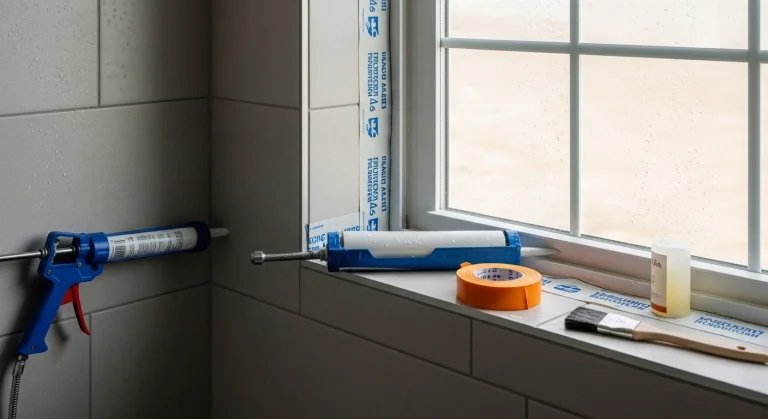
Selecting materials is a major part of understanding what is wainscoting in real-world applications. Homeowners commonly choose from natural wood, MDF, plywood, or PVC depending on the room and moisture exposure. Wood wall panels offer durability and authenticity, while MDF provides a smooth, budget-friendly finish. In bathrooms, moisture resistance becomes critical, which is why wainscoting is often installed alongside waterproof construction methods such as those used when learning how to install a fiberglass shower or preparing wet zones properly.
For budget-friendly projects, MDF has become popular. When discussing wainscoting materials explained, many contractors highlight MDF vs wood wainscoting. MDF offers smooth finishes and affordability, while PVC works best in moisture-prone areas. Choosing the right material impacts longevity, appearance, and the total wainscoting cost.
Where Wainscoting Is Commonly Installed in a Home
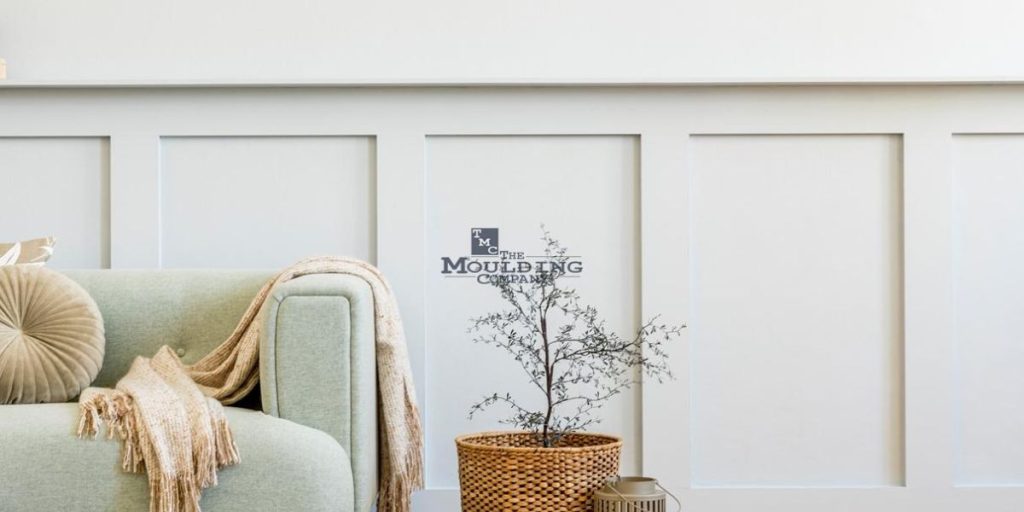
Wainscoting works especially well in dining rooms, hallways, bathrooms, staircases, and main living areas, where it adds both style and wall protection. In bathrooms, wainscoting is often combined with tiled showers and vanities to create a cohesive design. Many homeowners pair wall paneling with functional upgrades like a custom vanity or storage solution, similar to ideas found in this dresser bathroom vanity guide. When installed correctly, wainscoting enhances flow while supporting both aesthetics and daily use.
How High Should Wainscoting Be
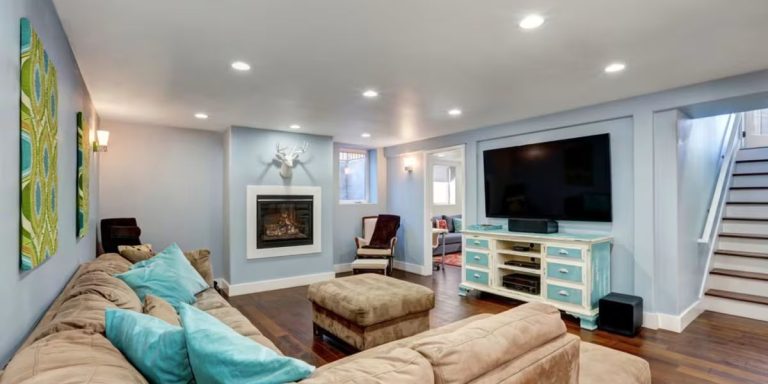
One of the most searched questions related to what is wainscoting is how high should wainscoting be. While the standard wainscoting height often sits around one-third of the wall, ceiling height and room purpose should guide final decisions. In finished basements or remodeled lower levels, height adjustments become even more important to maintain balance and avoid visual clutter. Homeowners planning broader renovations may also explore structural upgrades alongside paneling, similar to considerations discussed in this guide on cost to finish a basement.
Pros and Cons of Wainscoting
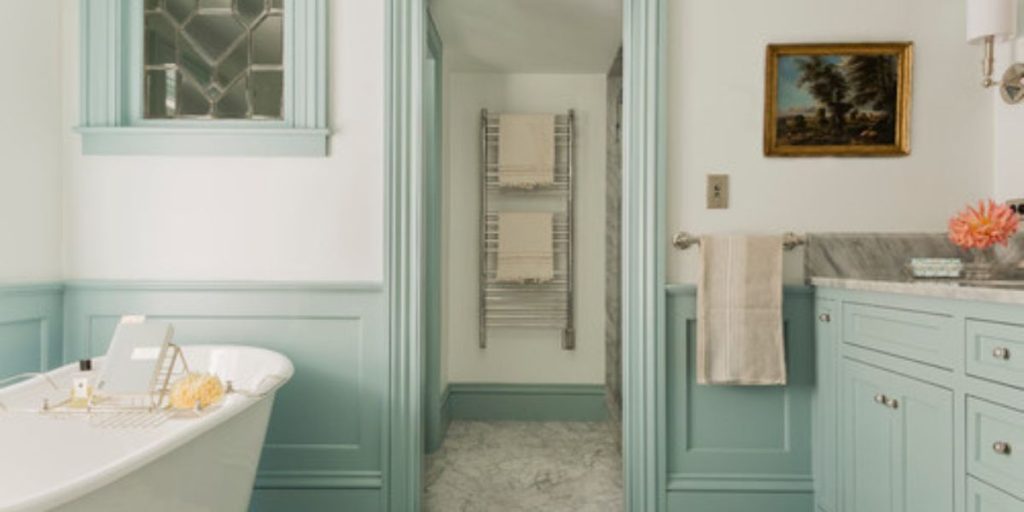
When homeowners research what is wainscoting, they often want honest pros and cons. On the positive side, wainscoting improves durability, adds visual interest, and helps increase home value with wainscoting. It also helps conceal wall flaws and works beautifully with both traditional wainscoting and modern wainscoting designs. However, there are downsides. Installation can be time-consuming, and improper installation may look dated. Some people ask is wainscoting outdated, but the answer depends on design choices. When done well, it remains timeless. Understanding both sides helps homeowners make informed decisions.
Is Wainscoting Expensive? Cost Factors Explained
A common concern tied to what is wainscoting is price. Wainscoting cost depends on materials, room size, and labor complexity. MDF panels remain affordable, while custom wood installations increase costs. When homeowners compare interior upgrades, they often weigh wainscoting against other renovation expenses such as roofing or structural repairs. Understanding overall home investment priorities, including projects like how much does a new roof cost, helps homeowners budget smarter and plan upgrades strategically.
Below is a simple cost comparison table:
| Material Type | Average Cost per Sq Ft |
| MDF Panels | $7 – $15 |
| Wood Panels | $15 – $40 |
| PVC Panels | $10 – $20 |
Understanding these factors helps homeowners plan budgets wisely.
Modern Wainscoting Design Ideas and Trends
Modern homeowners exploring what is wainscoting often look for design inspiration that aligns with contemporary spaces. Current wainscoting design ideas emphasize streamlined trim, bold paint colors, and extended wall coverage. These trends work especially well in updated bathrooms and showers, where clean lines complement tile layouts and waterproof systems. For example, combining modern wall panels with a properly installed shower base, as explained in how to install a shower pan base, creates a polished and functional result.
Designers also blend modern wall panel trends with classic elements. Smooth panels paired with simple molding work well in open-concept homes. These updates ensure wainscoting stays relevant and adaptable to changing tastes.
Is Wainscoting Worth It for Your Home
The final question many homeowners ask is is wainscoting worth it. For most American homes, the answer is yes. It enhances durability, adds character, and supports resale appeal. When homeowners understand what is wainscoting and apply it thoughtfully, the results feel intentional and refined.
Whether renovating one room or updating an entire house, wainscoting offers flexibility and long-term value. When installed correctly, it blends beauty with function and remains a smart investment for years to come.
Conclusion
Wainscoting is a smart way to elevate your interior without the stress of major renovation work. When you choose the right style, height, and materials, it adds depth, character, and long-lasting protection to your walls. Beyond improving appearance, wainscoting also helps preserve wall surfaces and enhance the overall feel of your home. Whether your taste leans toward classic or modern design, this timeless wall treatment can turn simple spaces into polished, inviting areas that hold their appeal for years to come.
FAQs About what is wainscoting
1. What is wainscoting?
What is wainscoting is a decorative wall treatment installed on the lower portion of interior walls to add style and protection. It also helps enhance the overall look of a room
2. What is wainscoting used for in homes?
What is wainscoting used for includes protecting walls from damage and adding visual depth. Many homeowners use it to improve both durability and design
3. Is wainscoting outdated or still popular?
What is wainscoting today is a modern design feature when styled correctly. It remains popular in both traditional and contemporary homes
4. How high should wainscoting be installed?
What is wainscoting height typically ranges from one-third of the wall to chair-rail height. The ideal height depends on ceiling height and room style
5. Is wainscoting worth installing?
What is wainscoting worth comes down to added beauty and wall protection. It can also improve home value when installed properly.