How to Waterproof a Window in a Tile Shower
Learning How to Waterproof a Window in a Tile Shower is important for every homeowner because shower windows face extreme moisture every day. Water can easily move behind tile, around frames, and into wall cavities through gaps that are almost invisible.
That’s why understanding the correct sealing method and choosing proven waterproofing systems matters so much. When done correctly, this process works hand-in-hand with other moisture protection steps, such as how to waterproof a bathroom floor, creating a complete defense against hidden leaks. A well-sealed shower window protects the structure, improves indoor air quality, and prevents long-term repair costs caused by trapped moisture.
Why Waterproofing Matters

Many homeowners do not realize how quickly water can travel through small gaps around a shower window. Even minor openings allow moisture to reach framing, insulation, and drywall, where damage spreads silently over time. This is why understanding How to Waterproof a Window in a Tile Shower is essential for long-term bathroom health.
Without proper protection, issues like swollen frames, peeling finishes, and mold growth become unavoidable. In some cases, moisture damage can even spread upward, leading to ceiling deterioration that later requires repairs similar to how to repair a plaster ceiling. Proper waterproofing stops these problems at the source and preserves the entire wall system.
Tools & Preparation
Before starting How to Waterproof a Window in a Tile Shower, gathering the right materials is critical for long-lasting performance. Cement backer board, liquid waterproofing, flashing tape, and high-grade silicone sealant all work together to prevent water intrusion. Using inferior materials often leads to failure behind the tile, especially in wet zones that see daily use. Proper preparation also supports other bathroom upgrades, such as how to install a fiberglass shower or planning drainage correctly when following how to install a shower pan base. Cleaning old sealant, inspecting framing, and starting with a dry surface ensures every waterproof layer bonds correctly.
Step-by-Step Section
The process of How to Waterproof a Window in a Tile Shower begins by removing old caulk and inspecting the entire window assembly. Any damaged framing, loose tile, or compromised insulation must be replaced before moving forward.
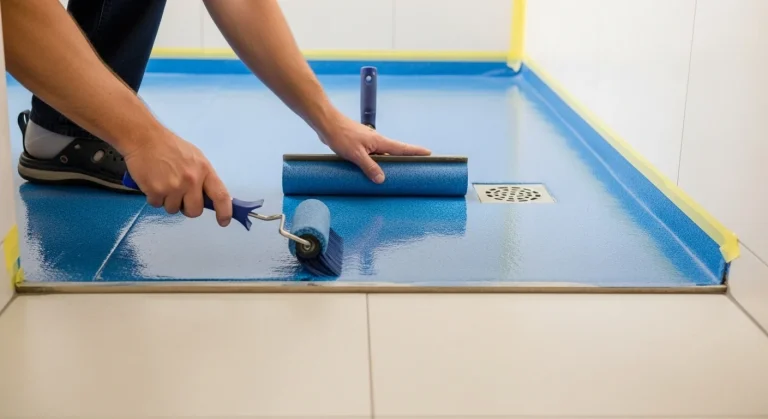
Cement backer board is then installed around the opening to create a stable base for waterproofing. Liquid membrane is applied to all surfaces, with reinforced corners and seams forming a continuous barrier. This approach mirrors best practices used in projects like how to build a shower over concrete, where moisture control is essential. When flashing tape and silicone are applied correctly, the window becomes fully protected against daily water exposure.
Maintenance Checklist Paragraph
A properly waterproofed shower window still requires routine inspection to remain effective. Homeowners should check silicone joints every six months and reseal grout annually to maintain protection. Any signs of discoloration or dampness around the window should be addressed immediately. Good ventilation is equally important, especially in bathrooms with custom storage or built-ins like a dresser bathroom vanity, which can trap humidity if airflow is poor. Regular maintenance prevents leaks, reduces repair costs, and keeps the waterproofing system working as intended for years.
Conclusion
Understanding How to Waterproof a Window in a Tile Shower gives homeowners the confidence to protect their bathrooms from leaks, rot, and mold. When quality materials, proper flashing, and correct installation techniques are used, shower windows remain durable and watertight long term. Combined with other proven moisture-control practices outlined in this complete guide to Window in a Tile Shower homeowners can avoid common mistakes and enjoy a cleaner, healthier bathroom environment with lasting peace of mind.
FAQs About How to Waterproof a Window in a Tile Shower
1: What is the best method for How to Waterproof a Window in a Tile Shower?
The best method is applying a waterproof membrane, sealing all gaps with silicone, and installing proper window flashing. These layers stop moisture from entering the wall cavity.
2: Can I use regular trim for How to Waterproof a Window in a Tile Shower?
No—use waterproof window trim or PVC trim only. Regular wood trim absorbs moisture and leads to mold, rot, and leaks.
3: Do I need a moisture barrier for How to Waterproof a Window in a Tile Shower?
Yes, a moisture barrier or waterproofing membrane behind the tile is essential. It keeps water from penetrating the frame and causing long-term damage.
4: How do I stop leaks during How to Waterproof a Window in a Tile Shower?
Seal all joints with 100% silicone, slope the sill for drainage, and reinforce edges with a tile shower window seal. This prevents leaks at the most vulnerable points.
5: What materials work best for How to Waterproof a Window in a Tile Shower?
Use cement backer board, waterproof membranes, PVC trim, and silicone sealant. These materials resist moisture and ensure long-lasting protection in wet areas.