How Much Does it Cost to install Central Air
Installing central air conditioning is a major comfort upgrade, but it’s also one of the most common home improvements that raises cost-related questions. Homeowners often ask how much does it cost to install central air, yet the answer is rarely straightforward. Prices can vary widely based on home size, system type, existing ductwork, labor rates, and energy efficiency choices. Much like evaluating the cost to install central air alongside other major upgrades, understanding the full scope of installation costs helps homeowners avoid surprises and plan realistically from the start.
Understanding central air installation cost ahead of time helps prevent unexpected expenses and unrealistic expectations. Factors such as AC installation price, HVAC system cost, and ductwork installation all influence the final number. Climate, long-term energy use, and home layout also play a role in determining value. By breaking down what actually affects pricing, homeowners can make informed decisions, compare quotes confidently, and choose a system that delivers comfort without overspending.
Central Air Installation Cost Breakdown (Unit vs Labor vs Extras)
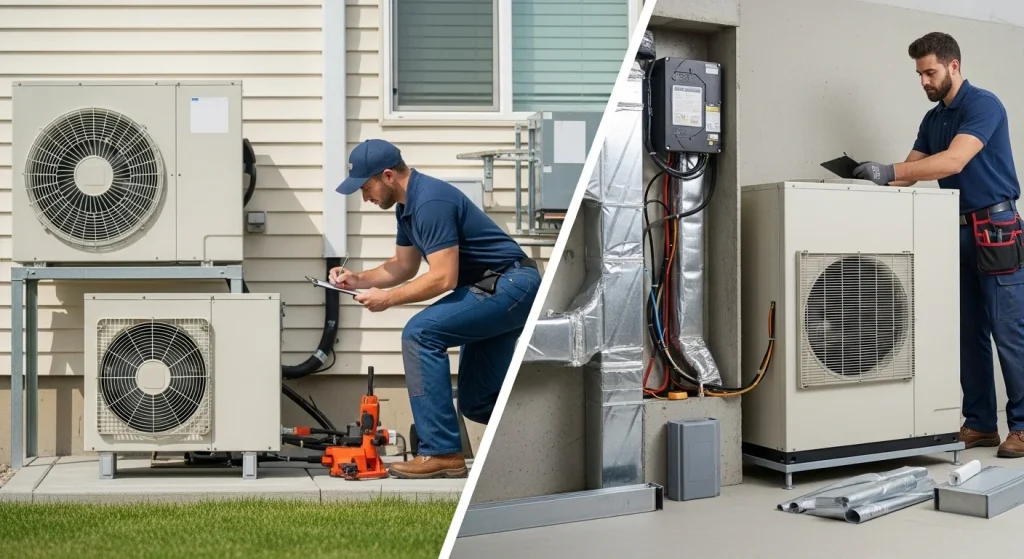
Another reason costs vary so much is that no two installations follow the same path. Some homes allow for a straightforward equipment replacement, while others require additional work such as electrical upgrades, airflow corrections, or refrigerant line adjustments.
These behind-the-scenes details are similar to what homeowners encounter when evaluating large renovation projects like the cost to finish a basement—small structural differences can significantly change the final price. Clear cost breakdowns help homeowners understand where their money goes and whether each expense delivers real long-term value.
Most central air installation costs fall into three main buckets:
● The air conditioning unit
● Labor and installation
● Extra or hidden costs
The AC unit itself is only part of the total price. Many homeowners focus only on the unit cost and get surprised later by labor, ductwork, or electrical upgrades.
On average:
- The unit usually makes up about 30–40% of the total cost
- Labor can be 40–50%
Extras fill in the rest
Understanding this breakdown helps you spot unrealistic quotes and avoid last-minute surprises.
Central Air Cost by Home Size (Square Foot Pricing)
Home size is one of the biggest cost factors in central air installation, but square footage alone doesn’t tell the whole story. Ceiling height, insulation quality, sun exposure, and layout all influence cooling demand. These considerations mirror how structural factors affect other home investments, such as calculating the cost of a new roof, where materials and design complexity matter as much as surface area. Proper system sizing based on a professional load calculation ensures balanced comfort, lower energy use, and a longer system lifespan.
Home size is one of the biggest cost factors in central air installation.
Here’s a general idea of how pricing scales:
- Small homes (1,000–1,500 sq ft): Lower unit capacity, lower labor
Medium homes (1,500–2,500 sq ft): Mid-range pricing - Large homes (2,500+ sq ft): Higher-capacity systems and longer install time
Larger homes need stronger systems to cool the space evenly. That means:
● Bigger compressors
● More airflow
● Longer installation time
However, bigger isn’t always better. An oversized system can raise energy bills and shorten equipment life. Proper sizing matters more than square footage alone.
How Ductwork Impacts Central Air Installation Costs
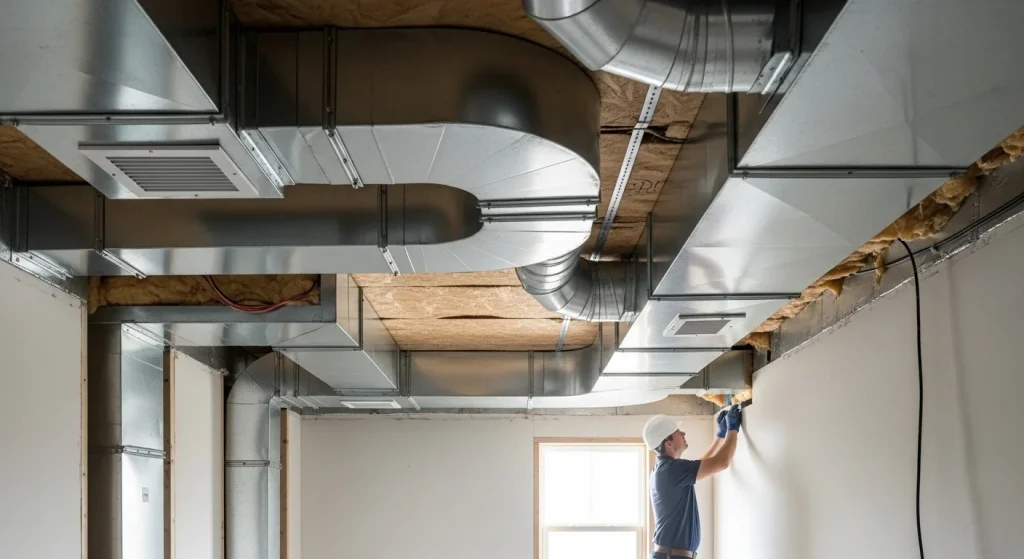
Ductwork is often the silent cost driver in central air installation. Homes with well-sealed, properly sized ducts benefit from lower installation costs and better long-term efficiency. But if ducts are leaking, undersized, or poorly routed, expenses can rise quickly. Similar to moisture issues that arise when bathroom systems aren’t properly sealed—such as those addressed in how to waterproof a bathroom floor—poor ductwork can undermine performance even with a high-quality AC unit. Addressing airflow issues upfront protects both comfort and energy savings.
If your home already has good-quality ducts, your installation cost stays much lower. But if ducts are:
● Leaking
● Undersized
● Poorly routed
● Or missing entirely
the price can jump fast.
Ductwork costs vary because every home is different. Some homes need small repairs, while others require full replacement. Poor duct design can also make even the best AC unit perform badly.
Good ducts = better comfort + lower energy bills.
Central Air Installation Costs for Homes Without Existing Ducts
Homes without existing ductwork face higher upfront installation costs, but central air can still be a smart long-term investment. Adding ducts often requires opening walls, ceilings, or crawl spaces, increasing labor and materials. This level of structural planning is comparable to projects like how to build a shower over concrete, where access and layout determine complexity. For homeowners focused on whole-home comfort and resale value, the long-term benefits of central air often outweigh the initial installation effort.
Homes without ducts face a bigger upfront cost, but that doesn’t mean central air is impossible.
In these homes, installers may need to:
●Open walls or ceilings
● Add vents and returns
● Build new duct paths
This increases both labor time and material costs.
Some homeowners compare this option with ductless systems, but central air can still make sense if:
● You want whole-home cooling
● You plan to stay long-term
● You care about resale value
The key is comparing total long-term value, not just upfront price.
SEER Ratings Explained: How Efficiency Affects Price
SEER stands for Seasonal Energy Efficiency Ratio. In simple terms, it tells you how efficiently your AC uses electricity.
● Lower SEER: Lower upfront cost, higher monthly bills
● Higher SEER: Higher upfront cost, lower energy bills
Think of it like buying a car:
● Cheap car = more fuel costs
● Efficient car = savings over time
Higher SEER systems often pay for themselves if you:
● Live in a hot climate
● Use AC often
● Plan to stay in your home for many years
Choosing the right efficiency level is about balance—not just price
Labor Costs by Region and Installer Experience
Experienced installers don’t just connect equipment—they test airflow, seal ducts, calibrate controls, and confirm performance. These steps aren’t always visible, but they directly affect comfort and energy use. Paying slightly more for skilled labor often prevents years of inefficiency, uneven cooling, and repeat service calls.
Labor costs change depending on where you live and who installs the system.
Factors that raise labor costs include:
● High cost of living areas
● Complex installations
● Experienced or highly rated contractors
Cheaper labor isn’t always better. A poor installation can lead to:
● Higher energy bills
● More repairs
● Shorter system lifespan
You’re not just paying for time—you’re paying for skill, safety, and correct setup
Permits, Inspections, and Hidden Fees to Expect

Many homeowners overlook permits and inspections, but these costs play an important role in a safe and compliant installation. Permit requirements ensure systems meet local building and electrical codes, protecting both homeowners and future buyers. Skipping this step can create issues later, similar to problems that arise during property transactions when details aren’t properly documented—such as the differences explained in pending vs under contract. A reputable contractor will clearly outline permit-related costs before work begins.
Many homeowners don’t expect these—but they matter.
Common extra costs include:
● Local permits
● System inspections
● Electrical panel upgrades
● Drainage modifications
Permits protect you. They ensure the system meets safety and building codes. Skipping permits may save money short-term, but can cause problems later when selling your home.
A trustworthy contractor will explain these costs upfront.
Central Air vs Other Cooling Options: Cost Comparison
Central air isn’t the only major home expense homeowners evaluate. Like assessing the cost to cut down a tree or planning for the cost to pump a septic tank, the decision comes down to safety, comfort, and long-term value. While alternative cooling systems may offer lower upfront costs, central air remains one of the most effective solutions for consistent, quiet, whole-home cooling.
Central air isn’t your only option. Other systems may cost less upfront but offer different benefits.
Quick comparison:
● Window units: Cheap upfront, limited comfort
● Portable ACs: Flexible, less powerful
● Ductless mini-splits: Efficient, higher upfront cost per room
● Heat pumps: Cooling + heating, higher initial investment
Central air shines when you want:
● Even cooling
● Quiet operation
● Strong resale appeal
Choosing the right system depends on your home and lifestyle.
How Long Central Air Installation Takes (Timeline)
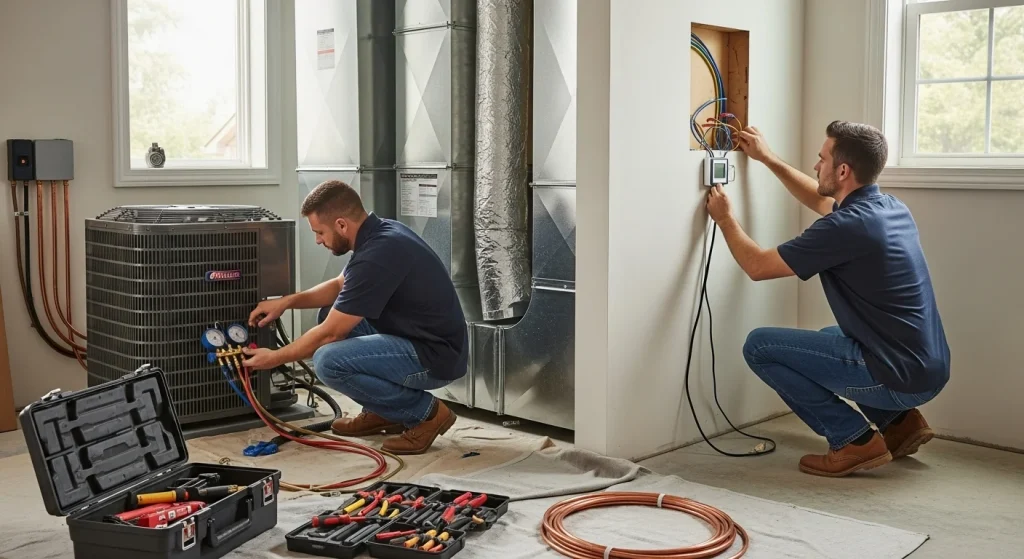
Most central air installations take 1 to 3 days.
Timeline depends on:
● Existing ductwork
● Home size
● Electrical upgrades
● Inspection scheduling
Homes without ducts may take longer. Good installers plan ahead so your home isn’t disrupted longer than needed.
Long-Term Operating Costs and Energy Bills
Installation cost is only half the story.
Your ongoing costs include:
● Monthly electricity bills
● Filter replacements
● Annual maintenance
● Occasional repairs
Well-installed systems with proper sizing and efficient ratings cost less to run and last longer.
A cheaper install that’s done poorly often becomes expensive over time.
Common Pricing Mistakes Homeowners Make
Many homeowners overpay because they:
● Choose the cheapest quote
● Skip load calculations
● Ignore duct quality
● Don’t compare efficiency levels
● Accept vague estimates
How to Get Accurate Quotes From Contractors
To get reliable pricing:
● Get at least 3 written quotes
● Ask for a load calculation
● Request itemized pricing
● Confirm warranty details
● Check licensing and reviews
Clear quotes protect you and make comparisons easier.
Is Central Air Worth It for Your Home and Climate?
Central air is usually worth it if:
● You live in a region with warm or humid weather.
● You want whole-home comfort
● You care about home value
● You plan to stay long-term
In mild climates or small homes, other systems may make more sense. The best choice depends on how you live, not just the price
Smart Ways to Lower Central Air Installation Costs
You can save money without cutting corners by:
● Installing during off-season months
● Improving insulation first
● Keeping existing ductwork when possible
● Choosing balanced efficiency levels
● Getting multiple quotes
Smart planning reduces costs and stress.
Final Thoughts
So, how much does it cost to install central air? The honest answer depends on your home, climate, and installation choices. Like other large home investments—from remodeling wet areas to evaluating outdoor improvements such as pool in-ground costs—there’s no single price that fits every situation. Homeowners who take time to understand pricing factors, compare detailed quotes, and work with experienced professionals are far more likely to achieve lasting comfort, energy efficiency, and long-term value.
A well-planned installation can deliver reliable comfort, lower energy bills, and long-term value for your home. Homeowners who take time to understand pricing, compare detailed quotes, and ask the right questions are far more likely to avoid surprises and regret. When installed correctly, central air is not just an expense—it’s a long-term investment in comfort, efficiency, and home value.
FAQ’s About How Much Does it Cost to install Central Air
1. How much does it cost to install central air in the US?
On average, how much does it cost to install central air ranges from $3,500 to $7,500. Larger homes or complex installs can cost more.
2. How much does it cost to install central air with existing ductwork?
If ductwork is already in place, the cost is usually lower, often between $3,500 and $5,500 depending on system size.
3. How much does it cost to install central air without ductwork?
Without ductwork, installation costs increase significantly and may range from $6,000 to $12,000 due to added labor and materials.
4. What factors affect how much it costs to install central air?
Home size, system efficiency, labor rates, ductwork condition, and permits all affect how much it costs to install central air.
5. Is installing central air worth the cost?
Yes, central air improves comfort, energy efficiency, and home value, making the installation cost worthwhile for many homeowners.