Cost to Cut Down a Tree
The cost to cut down a tree is one of those home expenses most people don’t think about until the situation becomes urgent. A heavy storm, a leaning trunk, or roots creeping toward your foundation can turn a healthy-looking tree into a serious risk overnight—similar to how hidden structural issues can escalate during projects like a cost to finish a basement or major exterior upgrades. At that point, homeowners start asking practical questions about safety, pricing, and timing. The truth is the tree removal cost in the United States varies widely because no two trees or properties are the same.
Factors like height, location, and condition all influence the average cost to cut down a tree, which is why prices can feel confusing or even overwhelming at first glance. Some people worry is tree removal expensive while others simply want to understand the real cost to remove a tree without hidden surprises. This guide breaks everything down clearly helping you understand tree removal prices so you can make confident informed decisions without stress.
Cost to Cut Down a Tree: What Homeowners Should Expect
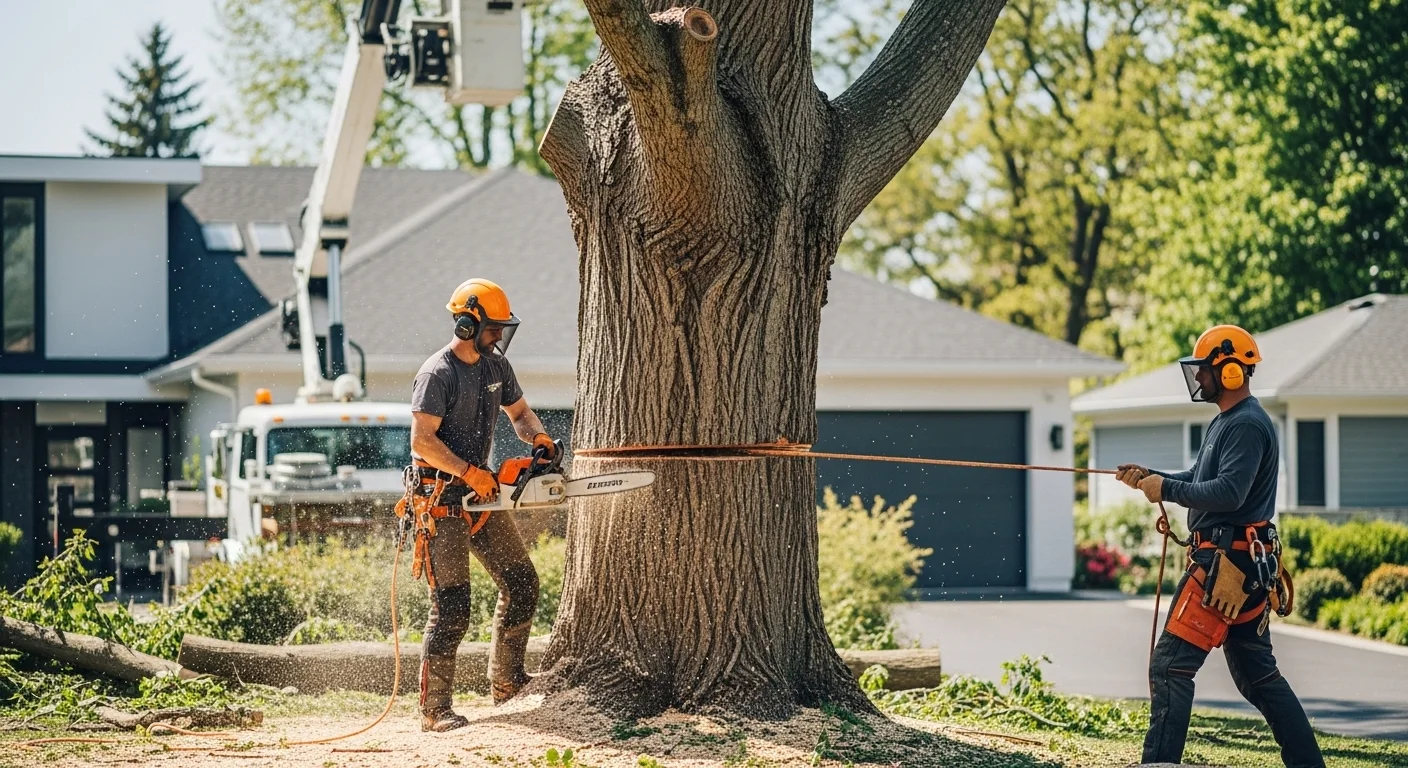
The cost to cut down a tree in the USA usually ranges between $300 and $2,500, but this wide range exists for good reasons. Tree removal involves trained workers, safety planning, specialized equipment, and insurance coverage. The tree removal cost depends on risk more than effort. A small tree in an open yard may take an hour, while a tall tree near a house may take an entire crew and half a day. This is why many homeowners wonder is tree removal expensive before calling a company.
Another reason the tree cutting cost feels high is liability. Professional companies must carry insurance, follow safety standards, and protect nearby structures—much like contractors handling complex projects such as how much does a new roof cost. This explains why tree removal costs vary so much from one property to another. A basic removal may only include cutting the tree down, while cleanup, hauling, or stump grinding often cost extra. Understanding this early helps homeowners avoid surprise charges.
Average Cost to Cut Down a Tree Based on Tree Size
Tree size is the single biggest factor in the average cost to cut down a tree. Taller and wider trees require more labor, more time, and more safety measures. Smaller trees are easier to control and usually fall within the lower price range. This explains the cost differences by tree size across the country.
Below is a general pricing table used by many U.S. tree services:
| Tree Size | Height Range | Typical Cost |
| Small | Under 30 feet | $150 – $400 |
| Medium | 30–60 feet | $400 – $900 |
| Large | 60–80 feet | $900 – $1,800 |
| Extra Large | 80+ feet | $1,800 – $3,000+ |
When homeowners ask about the cost to remove large tree, the answer almost always depends on height, trunk thickness, and branch spread. Larger trees also require section-by-section removal, which increases labor and equipment use. This makes tree size one of the most important tree removal pricing factors.
Cost to Cut Down a Tree Near a House or Power Lines
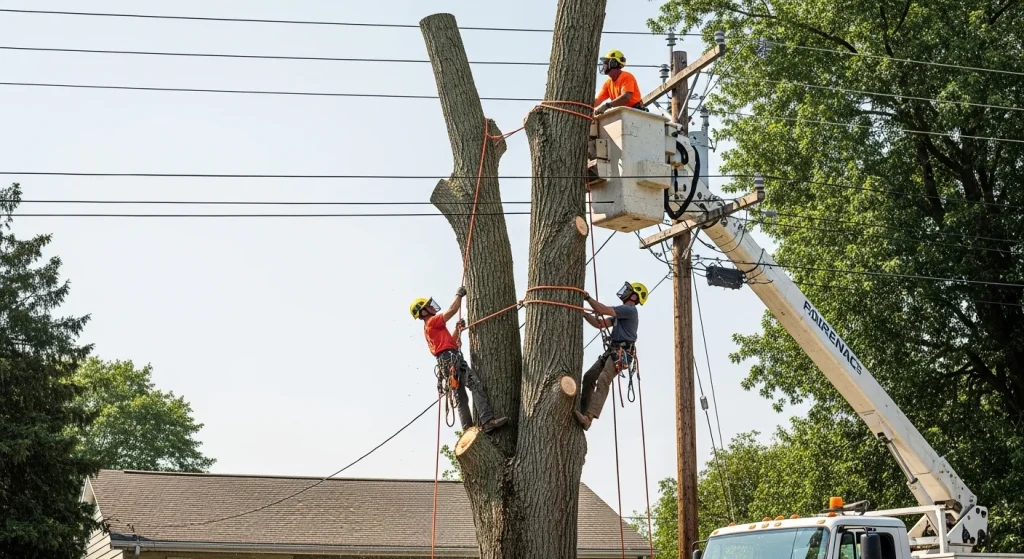
Trees close to homes or power lines dramatically raise the cost to cut down a tree. Cutting in tight spaces requires precision, rigging systems, and sometimes cranes. The risk of damaging a roof, siding, or foundation is similar to the care required during structural interior work like how to build a shower over concrete. These conditions force crews to work slowly and carefully, which is why removing trees safely near homes costs more than open-area removals.
Power line proximity often requires coordination with utility companies. In many states homeowners are not allowed to cut trees touching active lines. This increases the professional tree removal cost because licensed crews must follow strict safety rules. These situations also raise insurance exposure, which affects the final tree removal prices quoted to homeowners.
Factors That Increase the Cost to Cut Down a Tree
Accessibility matters as well. A backyard tree with no truck access requires more manual labor, just as limited access can complicate projects like how to repair a plaster ceiling in older homes. Sloped yards, narrow gates, or nearby landscaping all add complexity. These combined elements explain why tree removal costs vary so widely across similar properties.
Seasonal demand also impacts the tree cutting service cost. After storms, prices often rise due to high demand. Accessibility matters as well. A backyard tree with no truck access requires more manual labor. Sloped yards, narrow gates, or nearby landscaping all add complexity. These combined elements explain why tree removal costs vary so widely across similar properties.
Cost to Cut Down a Tree Including Stump Removal
Many homeowners assume stump removal is included in the cost to remove a tree, but it usually is not. Tree cutting stops at ground level unless otherwise specified. Stump removal requires grinding equipment or full excavation, which adds to the tree removal cost.
Here is a common stump pricing table:
| Stump Diameter | Typical Cost |
| Under 12 inches | $75 – $150 |
| 12–24 inches | $150 – $300 |
| Over 24 inches | $300 – $500+ |
Stump grinding is usually cheaper and faster, while full removal allows replanting or construction. Including stump removal often increases the tree removal estimate, but it prevents regrowth and improves yard appearance long term.
Cost to Cut Down a Tree by Location and Accessibility
Where you live greatly affects the tree removal near me cost. Urban areas usually have higher labor rates, permit fees, and disposal costs. Rural areas often cost less due to easier access and lower overhead. Regional insurance requirements also influence the tree cutting cost.
Accessibility is another major pricing factor. Front-yard trees are easier and cheaper to remove. Backyard trees behind fences or near neighbors increase labor time. Some companies must temporarily remove fencing or coordinate access with adjacent properties, which raises the tree removal prices significantly.
DIY vs Professional Cost to Cut Down a Tree
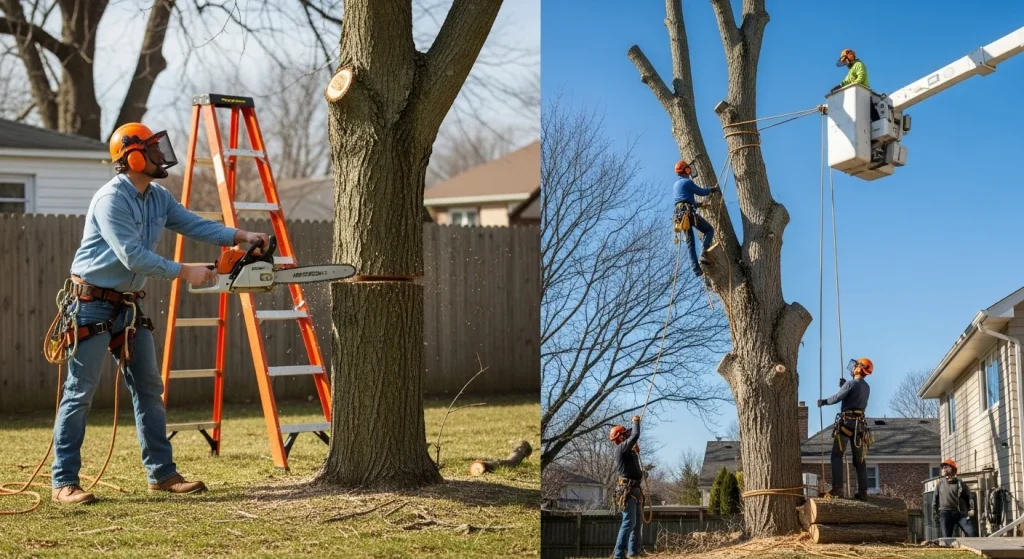
Some homeowners consider cutting trees themselves to save money. While DIY might reduce the cost to cut down a tree, it introduces serious risks. Chainsaws, falling limbs, and unstable trunks cause thousands of injuries each year. In many cases, the financial risk mirrors what happens when homeowners attempt complex upgrades without experience, such as how to install a fiberglass shower. Medical bills and property damage often exceed the professional tree removal cost.
Hiring insured tree removal companies protects homeowners from liability. Licensed professionals understand safety techniques, local laws, and proper equipment use. In many cases, paying for a professional actually saves money by preventing accidents, fines, or repair costs.
How to Reduce the Cost to Cut Down a Tree Safely
Understanding tree cutting regulations in the USA and permits needed to cut down a tree prevents fines and delays. Local rules can be just as important as permit requirements for home improvement projects like how to waterproof a bathroom floor. Choosing reputable, insured tree removal companies ensures safety, compliance, and long-term peace of mind.
Asking clear questions improves transparency. Homeowners should always request proof of insurance and ask about cleanup details. Understanding tree cutting regulations in the USA and permits needed to cut down a tree prevents fines and delays. Choosing reputable, insured tree removal companies ensures safety, compliance, and peace of mind.
Conclusion
The cost to cut down a tree depends on many factors, but knowledge puts homeowners in control. Understanding pricing structures, safety risks, and service options helps you make informed decisions. Whether removing a small backyard tree or budgeting for the cost to remove large tree, preparation saves time, money, and stress. Always prioritize safety, legality, and professional expertise when dealing with tree removal on your property.
FAQs About Cost to Cut Down a Tree
1. What is the average cost to cut down a tree?
The average cost to cut down a tree usually ranges from $300 to $1,500. The final price depends on tree size and location.
2. What affects the cost to cut down a tree?
Tree height, thickness, condition, and nearby structures all impact the cost to cut down a tree. Labor and equipment also matter.
3. Is the cost to cut down a tree higher near a house or power lines?
Yes, cutting down a tree near homes or power lines costs more due to added safety risks and specialized equipment.
4. Does tree type change the cost to cut down a tree?
Yes, hardwood trees and diseased or dead trees often cost more to remove because they are harder and riskier to cut.
5. Can I reduce the cost to cut down a tree?
You may lower the cost by removing debris yourself or scheduling work during the off-season when demand is lower.