How Much Does it Cost to Pump a Septic Tank
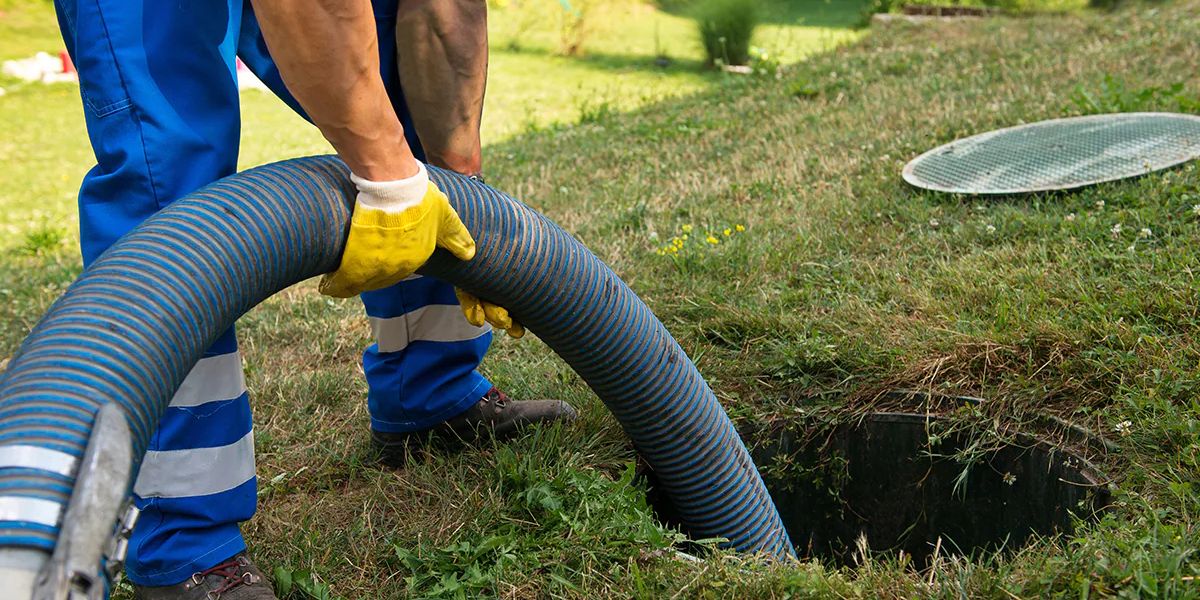
If you own a home with a septic system, one important question you will face sooner or later is how much does it cost to pump a septic tank. Many homeowners delay this service because they do not clearly understand the price, but waiting too long often leads to bigger problems and higher repair costs. Just like ignoring moisture protection in bathrooms can cause serious damage—something homeowners often learn when dealing with issues explained in guides like how to waterproof a bathroom floor—delaying septic maintenance can result in costly repairs that are completely avoidable.
Across the United States, the average cost to pump a septic tank is affordable when compared to the damage caused by neglect. Regular pumping helps prevent clogs, backups, and expensive failures while keeping your system working properly. Knowing the septic system pumping cost also helps homeowners plan their budget and avoid sudden expenses. Understanding the septic tank pumping price gives you confidence to take care of your system on time and protect your home in the long run.
What Is the Average Cost to Pump a Septic Tank?
When people ask how much does it cost to pump a septic tank, they usually want one clear number. In most parts of the United States, the average cost to pump a septic tank falls between $300 and $600. Most normal homes stay close to this range when the system is well maintained.
Why the Average Cost Changes
This price usually includes labor, pumping, and basic waste disposal, but the final cost can increase if the tank is very full or hard to access. Thick waste takes more time to remove, which increases septic tank pumping fees. In the same way that hidden water damage behind walls often requires professional repair—similar to problems discussed in how to repair a plaster ceiling—a neglected septic system often costs more once issues become visible.
Septic Tank Pumping Cost Based on Tank Size
Tank size plays a big role in deciding how much does it cost to pump a septic tank. Smaller tanks take less time to pump, while larger tanks need more work and disposal space.
How Tank Size Affects Price
Most homes have septic tanks between 750 and 1,500 gallons. Smaller tanks usually cost less, while larger tanks cost more because they hold more waste. Homes with larger families often have bigger tanks and higher pumping costs. Knowing your tank size helps you plan your budget correctly and avoid unexpected septic tank service costs.
Factors That Affect the Cost to Pump a Septic Tank
Many things can affect how much does it cost to pump a septic tank, even if two homes have the same tank size.
Accessibility and Tank Condition
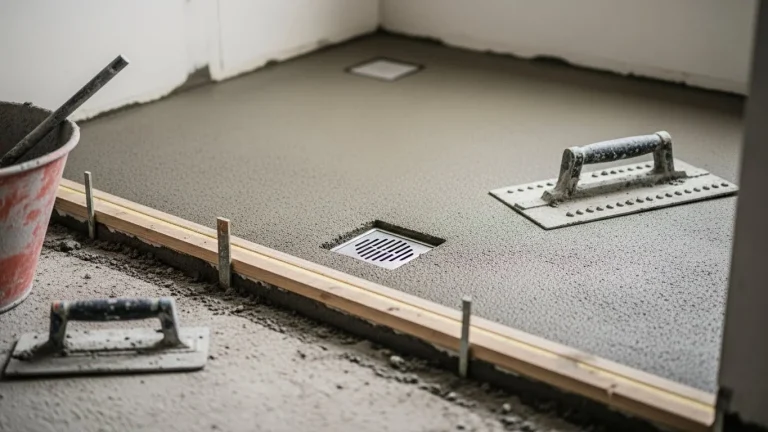
If your septic tank lid is buried deep underground or hidden under landscaping, extra labor is required, which increases the total cost. Tanks that have not been pumped for many years usually contain heavy waste buildup, slowing the pumping process. This is similar to construction challenges homeowners face when building wet-area spaces, such as those outlined in how to build a shower over concrete, where access and preparation greatly affect overall cost.
Local Rules and Emergency Service
Local disposal laws also affect pricing. Some areas charge higher disposal fees due to environmental rules. Emergency pumping, such as when backups or bad smells appear, usually costs more than scheduled service. Hiring licensed local septic service providers may cost slightly more, but it greatly reduces risk.
How Often Should You Pump a Septic Tank?
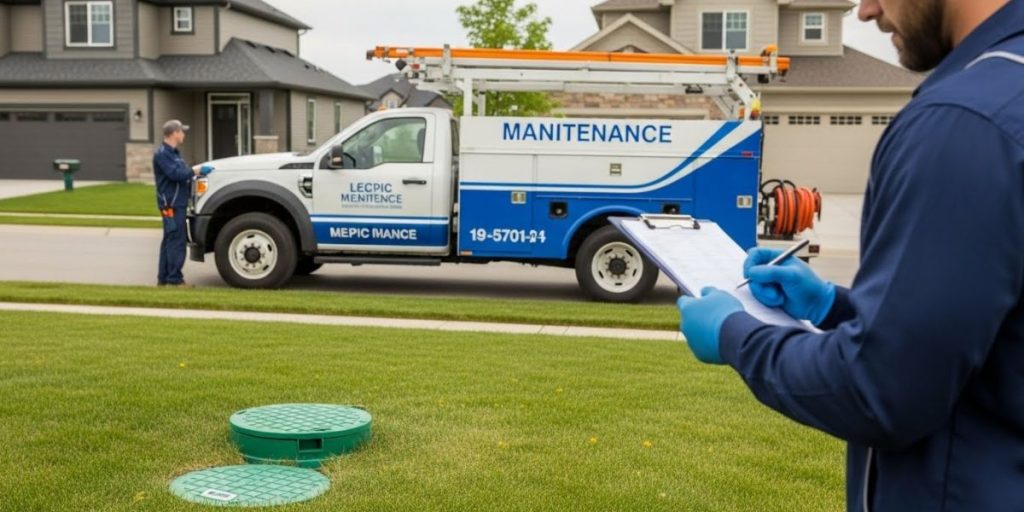
Knowing how often to pump a septic tank helps you control costs and avoid damage.
Recommended Pumping Schedule
Most households should pump their septic tank every three to five years. Homes with more people or heavy water use may need pumping sooner. Regular service prevents solid buildup and protects the drain field.
Ignoring early warning signs like slow drains, bad smells, or wet areas in the yard can increase septic tank cleaning costs. Regular pumping keeps maintenance affordable and extends the life of your system.
Septic Tank Pumping Cost by Location
Location also affects how much does it cost to pump a septic tank.
Rural vs Urban Costs
In rural areas, pumping may cost less, but long travel distances can add fees. In cities and suburbs, labor and disposal costs are higher. Areas with strict environmental rules usually have higher septic tank pumping prices. Weather and soil conditions can also affect scheduling and cost.
Extra Septic Tank Pumping Fees You Should Know
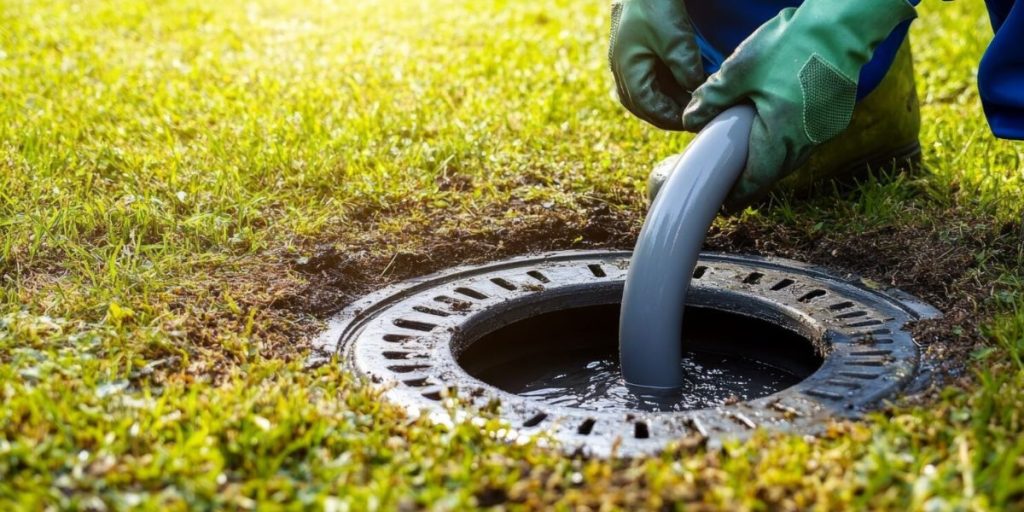
Many homeowners are surprised by added charges.
Common Additional Charges
Digging fees apply if the tank lid is hard to find. Inspection fees may be added if checks are required before pumping. Weekend or emergency services often cost more. Asking for a full quote before service helps avoid surprise septic tank pumping fees.
Is Septic Tank Pumping Covered by Insurance?
Many homeowners ask if insurance helps with how much does it cost to pump a septic tank.
Insurance and Home Warranty Facts
In most cases, routine septic pumping is not covered by homeowners insurance. Insurance only covers sudden damage, not regular maintenance. Some home warranties offer limited septic coverage, but pumping is usually excluded. Regular pumping remains the homeowner’s responsibility.
Cost to Pump a Septic Tank vs Repair Costs

Regular septic tank pumping is much cheaper than paying for repairs caused by neglect. When a septic system is not pumped on time, small issues can turn into major damage that costs thousands of dollars to fix. This cost difference is very similar to what homeowners experience when comparing routine maintenance to major upgrades like how much does a new roof cost, where early care can delay or prevent expensive replacements.
Why Regular Pumping Saves Money
Pumping costs are small compared to repair or replacement costs. Minor septic repairs can cost thousands of dollars, while full system replacement can reach very high amounts. Regular pumping protects the system and avoids these major expenses.
How Much Does It Cost to Finish a Basement:
How much does it cost to finish a basement depends on the size of the space, materials used, and labor in your area. For most homeowners, the cost can range from a few thousand dollars for basic work to much higher for a fully finished basement with extra features.
Advantages and Disadvantages
Many homeowners compare septic maintenance costs with other home projects like basement finishing.
Advantages of Finishing a Basement
Finishing a basement adds extra living space without building a new room. This space can be used as a bedroom, office, or family area. A finished basement can also increase home value and make the house more comfortable. It helps use space that would otherwise stay unused.
Disadvantages of Finishing a Basement
The main disadvantage is cost. Many people ask how much does it cost to finish a basement because it can be expensive. Moisture problems are another risk if waterproofing is not done correctly. Basement projects also take time and may not add the same value in every area.
Basement Finishing vs Septic Maintenance
Unlike basement finishing, septic pumping is not optional. Skipping septic care can damage your home and lead to serious problems. While basement upgrades improve comfort, septic maintenance protects your property and prevents health risks.
How to Reduce the Cost to Pump a Septic Tank
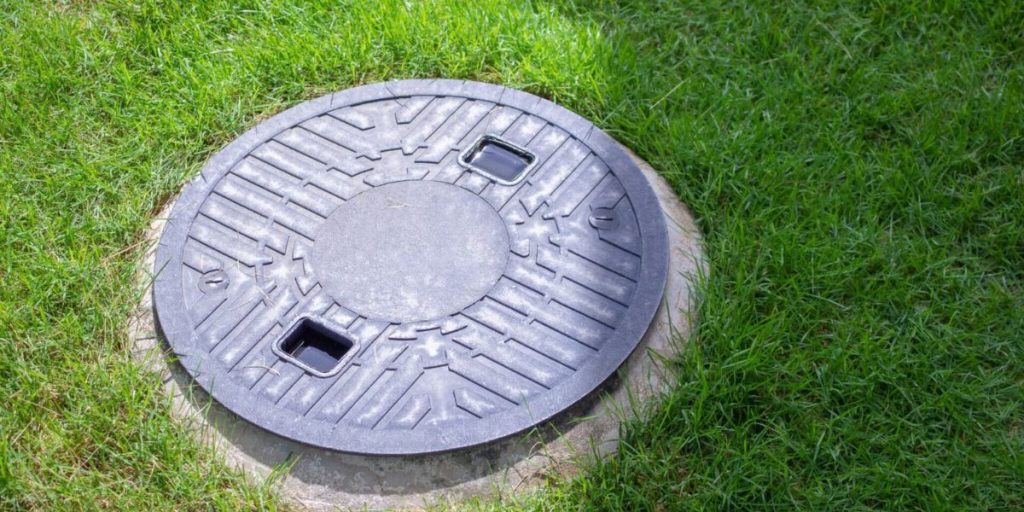
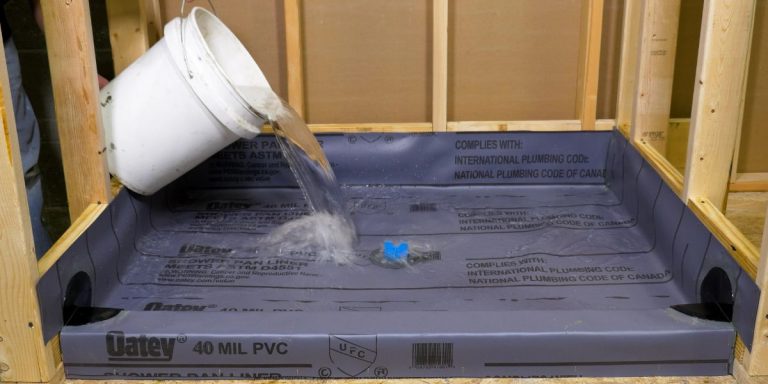
You can reduce the cost to pump a septic tank by using less water, fixing leaks quickly, and avoiding flushing harmful items into the system. Preventive care works the same way it does in bathroom construction, where proper installation—such as steps explained in how to install a shower pan base—helps avoid long-term damage and unnecessary repair costs.
Simple Ways to Save Money
Use less water to reduce waste buildup. Fix leaks quickly. Avoid flushing harmful items. Schedule pumping before emergencies happen. Work with trusted local septic service providers and keep service records to track pumping history.
Final Thoughts
Understanding how much does it cost to pump a septic tank helps homeowners make smarter, long-term decisions. Septic systems need routine care, just like other parts of a home that rely on water control and proper installation, such as tiled showers discussed in waterproof window tile shower. When maintenance is handled on time, homeowners avoid stress, protect their investment, and keep their homes safe and functional.
In the long run, septic maintenance is not an extra expense. It is a smart investment that saves money, prevents stress, and keeps your home safe and comfortable.
FAQs About How to Build a Shower Over Concrete
1. How much does it cost to pump a septic tank on average?
On average, the cost to pump a septic tank in the United States ranges between $300 and $600. The final price depends on tank size, location, and how full the tank is.
2. How often should a septic tank be pumped to avoid high costs?
Most septic tanks should be pumped every three to five years to prevent buildup. Regular pumping helps avoid blockages and costly repairs later.
3. What happens if a septic tank is not pumped on time?
If a septic tank is not pumped regularly, solid waste can overflow and damage the system. This can lead to backups, bad smells, and expensive repairs.
4. Does septic tank size affect pumping cost?
Yes, larger septic tanks usually cost more to pump because they hold more waste. Smaller tanks take less time and are usually cheaper to service.
5. Is septic tank pumping covered by homeowners insurance?
In most cases, routine septic tank pumping is not covered by homeowners insurance. Pumping is considered regular maintenance and is the homeowner’s responsibility.